
Masjid: What the Word Means and How to Find One Near You
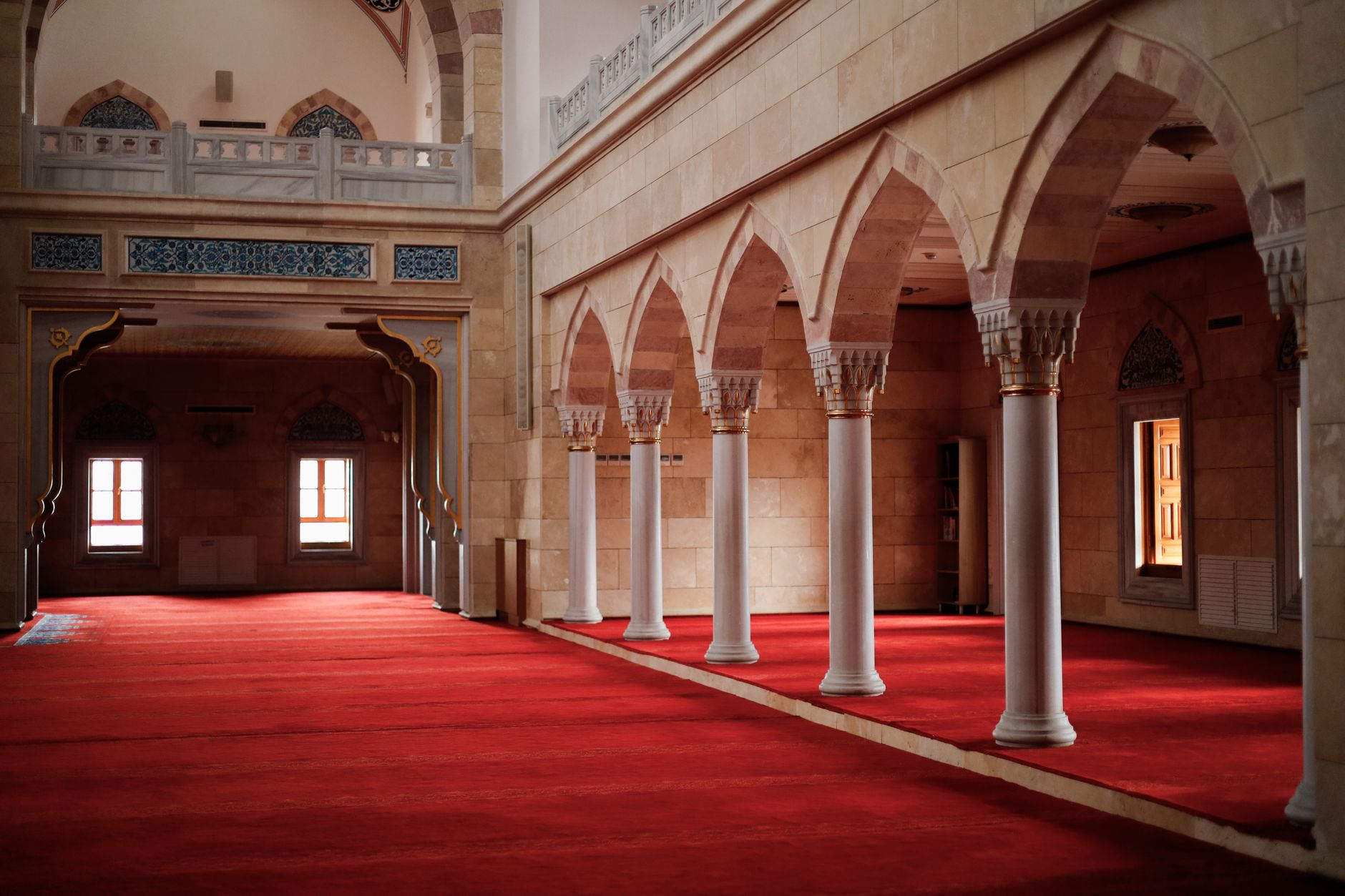
A masjid is a Muslim place of worship, the same building that English usually calls a mosque, and the Arabic word itself means "place of prostration." The fastest way to find one near you is to search MosqueIndex by state or city, where every listing carries the mosque's address, a map, a phone number, and today's calculated prayer times.
If you are new to the word, or new to a city, this guide covers what a masjid actually is, how to find the right one close to you, and how to read the prayer times once you get there.
What a masjid is
"Masjid" comes from the Arabic root s-j-d, which describes the act of bowing down or prostration, so the word literally names the place where that prayer happens. The Encyclopedia of Religion defines a masjid as the customary place for performing salat, the obligatory ritual prayer offered five times a day. In everyday English, masjid and mosque mean the same thing; the plural in Arabic is masajid.
A masjid is more than a prayer hall, though. Alongside the five daily prayers and the Friday congregation, most serve as community centers: a place for Quran classes, Ramadan iftars, funerals, marriages, and simply gathering. That is why two masajid a few blocks apart can feel quite different in size, language, and schedule even when the prayer itself is identical.
How to find a masjid near you
MosqueIndex is a directory of 3,442 mosques across 51 states, drawn from public map data, so you can search for one the same way whether you are at home or somewhere new:
- Start at the mosque directory and pick your state. New York alone lists hundreds of masajid at /mosques/new-york.
- Choose your city. Larger metros have their own page, for example Houston at /mosques/texas/houston, where the listings are grouped so you can scan the ones closest to you.
- Open a listing to see the full record: address, a map, a phone number where the public data has one, and today's calculated prayer times at the top.
Names on the site come from the public OpenStreetMap record, open data licensed under the Open Database License, or from Google Maps place data where OpenStreetMap had no entry. That means a masjid you know locally as "Bilal" might appear as "Masjid Bilal" or under a longer Islamic center name, so match by street address rather than by the exact name you expect.
Finding a masjid for Jummah (Friday prayer)
Jummah, the Friday congregational prayer, replaces the Dhuhr prayer once a week and is the busiest gathering at most masajid. It is worth planning around, because the one thing a calculator cannot tell you is when Jummah actually starts.
Unlike the five daily times, the Jummah khutbah (sermon) begins at a time each masjid sets for itself, often 1:00, 1:30, or 2:00 in the afternoon. Busy masajid frequently run two or three Friday sessions to fit everyone, and the schedule can shift with the seasons. On MosqueIndex we show community-confirmed Jummah times where we have them and label them as not yet confirmed where we do not, rather than guessing. Before you go, call the number on the listing to confirm the Friday time, especially if it is your first visit.
Prayer times at your local masjid
The daily prayer times, Fajr through Isha, can be calculated from a location, and each listing shows today's five times computed for that mosque's exact coordinates in its own timezone. MosqueIndex uses the ISNA method: Fajr and Isha at a 15 degree sun angle. That follows the Fiqh Council of North America, which suggests 15 degrees for both Fajr and Isha in the USA and notes it matches the "Islamic Society of North America" setting in most prayer apps.
If your phone shows a slightly different time, the calculation method is almost always the reason. An app set to the Muslim World League angle of 18 degrees will place Fajr a little earlier and Isha a little later for the same spot on the same day. The methodology page documents exactly how the site sources its data and calculates the times.
One rule holds across every listing: treat a calculated time as an estimate to plan around. The iqama, the call that starts congregational prayer, is set by each masjid and often falls a fixed number of minutes after the calculated time. Confirm the iqama and Jummah schedule with the mosque itself before you rely on it.
Browse masjids by state on MosqueIndex
If you know your state, go straight to it: browse the directory, open your city, and today's prayer times are waiting at the top of each listing. Match the street address to confirm you have the right masjid, then use the phone number to check the Jummah and iqama times before your first visit. If a detail is wrong or a masjid is missing, you can submit a correction and we will update the record.
Frequently Asked Questions
Is a masjid the same as a mosque? Yes. Masjid is the Arabic word and mosque is its common English equivalent; both name a Muslim place of worship. The Arabic plural is masajid.
How do I find the masjid closest to me? Open the directory, pick your state and city, and scan the listings for the nearest address. Each listing shows a map and phone number so you can confirm the location before you go.
Are the Jummah times on a listing guaranteed? No. Jummah and iqama times are set by each mosque and reach us through community submissions, so we mark them as confirmed or not yet confirmed and ask you to check with the masjid directly.
Why does my prayer app show a different time than a listing? Usually the calculation method. MosqueIndex uses ISNA at 15 degrees; an app set to a different angle will show a slightly earlier or later Fajr and Isha for the same location.
A listing shows a name I do not recognize. Is it the right masjid? Probably, if the address matches. Listing names come from the public OpenStreetMap record or from Google Maps place data, either of which may use a registered or older name rather than the one the community uses day to day.